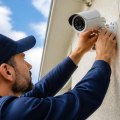
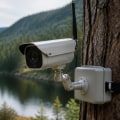
In an increasingly interconnected world, the need for effective security solutions has never been more critical. Understanding CCTV technology and Remote Surveillance near Burbank CAUnderstanding CCTV technology and Remote Surveillance near Burbank CA is essential for anyone looking to enhance their security measures, particularly in the realm of remote surveillance. Closed-Circuit Television (CCTV) systems have evolved significantly over the years, transforming from basic analog systems to sophisticated digital networks that offer unparalleled monitoring capabilities. Whether you're a business owner seeking to protect your assets or a homeowner wanting to ensure your family's safety, having a firm grasp of CCTV technology can empower you to make informed decisions about your surveillance needs. This article delves into the various facets of CCTV technology and Remote Surveillance near Burbank CA, exploring its components, functionalities, and the advantages it offers in remote surveillance scenarios. As we navigate through this topic, you'll discover how CCTV systems operate, the different types available, and how they integrate with modern technologies such as cloud storage and mobile monitoring applications.
By the end of this journey, you will not only understand CCTV technology but also appreciate its vital role in safeguarding our environments. Join us as we unravel the intricacies of these systems and uncover how they can be tailored to meet diverse security requirements.
Understanding CCTV technology
is essential for anyone looking to enhance their security measures, whether for residential or commercial properties. Closed-Circuit Television (CCTV) technology consists of a network of cameras, monitors, and recording devices designed to transmit video signals to a specific set of monitors. The fundamental operation of CCTV systems relies on capturing video footage through cameras, which then send this data to a recording device or a monitor for real-time viewing.The components of a typical CCTV setup include cameras, which can vary in type and function; monitors, which display the live feed or recorded footage; and recording devices such as Digital Video Recorders (DVRs) or Network Video Recorders (NVRs).When it comes to types of CCTV systems, there are several options available, each suited for different environments. Analog CCTV systems, while still in use, are gradually being replaced by digital systems that offer higher resolution and more features. Digital systems include IP cameras that connect over the internet, allowing for remote access and control. These cameras can provide higher quality images and are typically easier to scale as security needs grow.
Wireless CCTV systems are also popular due to their ease of installation, making them suitable for homes where running cables may be impractical. Selecting the right CCTV system depends on specific security needs. For instance, a small business may require a basic analog system with a few cameras covering entry points, while a large warehouse might benefit from an IP camera system with multiple high-definition cameras and remote monitoring capabilities. When choosing a system, consider factors such as the size of the area to be monitored, lighting conditions, required image quality, and budget constraints. In terms of popular products on the market, several brands have made a name for themselves in the CCTV space. Hikvision and Dahua are renowned for their high-quality IP cameras that offer advanced features like motion detection and night vision.
Lorex is another brand that provides affordable options with user-friendly interfaces, suitable for residential users. Pricing for these systems can vary significantly based on features; while basic analog systems may start at a few hundred dollars, advanced IP systems can range from several hundred to thousands depending on the complexity and capabilities. The benefits of remote monitoring through CCTV technology are numerous. Real-time alerts can notify property owners of any suspicious activity instantly, allowing them to take immediate action. The accessibility provided by mobile apps means users can check their security feeds from anywhere in the world, offering significant peace of mind.
Moreover, having visible surveillance can act as a deterrent to potential criminals who may think twice before targeting a property under surveillance. Despite the advantages of CCTV, there are common security concerns that users may have. Issues surrounding privacy are prevalent; however, implementing proper measures can alleviate these worries. For instance, ensuring cameras are positioned to capture only the intended areas and not invading personal spaces can enhance privacy compliance. Additionally, regularly updating software and firmware on CCTV devices can help prevent unauthorized access. Enhancing existing surveillance systems is also important for maintaining optimal performance.
Strategic camera placement is crucial; positioning cameras at entry points and high-traffic areas increases the likelihood of capturing useful footage. Furthermore, utilizing features such as motion detection can reduce storage needs and make reviewing footage more manageable. Legal and privacy considerations related to CCTV use vary by jurisdiction. Many areas require users to inform individuals that they are being recorded, especially in public spaces. Compliance with local regulations is essential to avoid potential legal issues.
Users should familiarize themselves with laws regarding surveillance cameras in their area to ensure responsible usage. In conclusion, understanding CCTV technology is vital for anyone seeking effective security solutions today. The evolution of CCTV systems, coupled with the growing demand for remote monitoring solutions, makes it easier than ever for individuals and businesses alike to protect their properties effectively.
How CCTV Technology Works
CCTV technology operates on a straightforward principle: capturing video footage in real-time and transmitting it to a designated location for monitoring and recording. The primary components of a CCTV system include cameras, lenses, recording devices, and monitors. The first element, the CCTV camera, captures images and videos using a sensor that converts light into electronic signals. These cameras can be analog or digital, with digital cameras providing higher resolution and better image quality.Additionally, cameras can be equipped with various features such as infrared capabilities for night vision, motion detection, and pan-tilt-zoom (PTZ) functionality to enhance surveillance coverage. The captured footage is then transmitted through cables or wirelessly to a recording device, such as a Digital Video Recorder (DVR) or a Network Video Recorder (NVR). DVRs are typically used with analog systems, while NVRs are designed for IP-based systems. These devices store the video data for later retrieval and review, allowing users to access recorded footage when needed. Finally, the video is displayed on monitors, enabling real-time viewing of the surveillance feeds. Users can watch live video streams from their properties remotely via internet-connected devices, ensuring they can keep an eye on their homes or businesses from virtually anywhere. Overall, the seamless integration of these components in a CCTV system provides an effective solution for enhancing security and monitoring properties remotely, catering to the growing demand for surveillance technology in today's world.
Legal and Privacy Considerations
As the use of CCTV technology continues to expand in both residential and commercial settings, it is crucial to understand the legal and privacy implications associated with surveillance.Different regions have varying laws governing the installation and use of CCTV systems, often requiring property owners to adhere to strict guidelines to protect the privacy of individuals. One of the primary legal aspects involves obtaining consent from those being recorded. In many jurisdictions, individuals have a reasonable expectation of privacy, particularly in areas such as restrooms or private offices. Failing to respect these boundaries can lead to legal repercussions, including lawsuits or fines. Furthermore, regulations may dictate how long recorded footage can be stored and under what conditions it can be accessed.
It is essential for users of CCTV technology to familiarize themselves with data protection laws, such as the General Data Protection Regulation (GDPR) in Europe, which imposes strict rules on personal data collection and processing. Additionally, transparency is key. Informing employees, customers, and visitors about the presence of surveillance cameras through signage can help mitigate privacy concerns and foster trust. By adhering to these legal requirements, users of CCTV systems can ensure that their surveillance practices are both effective and compliant with the law.
Benefits of Remote Monitoring
The rise of CCTV technology has revolutionized the way we approach security, particularly in the realm of remote surveillance. With the ability to monitor properties from virtually anywhere, this technology offers numerous advantages for both homes and businesses. One of the primary benefits of using CCTV for remote surveillance is enhanced security.Property owners can keep an eye on their premises in real-time, allowing them to respond quickly to any suspicious activity. This immediate access to surveillance feeds can act as a strong deterrent against potential intruders. Another significant advantage is the convenience that comes with remote monitoring. Users can easily access their CCTV feeds through smartphones, tablets, or computers, providing flexibility and peace of mind. Whether at work, on vacation, or simply running errands, individuals can check in on their properties at any time. Additionally, CCTV systems often come equipped with advanced features such as motion detection and alert notifications.
These features enable users to receive instant alerts if any movement is detected in designated areas, ensuring that any potential threats are addressed promptly. Moreover, the ability to store recorded footage provides an added layer of security. In the event of an incident, having access to video evidence can be invaluable for law enforcement investigations or insurance claims. Finally, implementing a remote CCTV system can lead to cost savings over time. By preventing incidents before they occur and reducing the need for on-site security personnel, businesses and homeowners alike can benefit from lower overall security costs.
Choosing the Right CCTV System
When it comes to choosing the right CCTV system, several factors should be considered to ensure that the selected solution meets your specific needs. The first step is to assess your surveillance requirements.Consider the size of the area you need to monitor and whether you need indoor or outdoor cameras. For larger spaces, multiple cameras might be necessary to cover all angles effectively. Next, evaluate the resolution and image quality you desire. Higher resolution cameras provide clearer images, which is crucial for identifying faces or license plates. Look for systems that offer at least 1080p resolution for optimal clarity. Another important aspect is the type of camera technology—analog vs.
IP (Internet Protocol). While analog cameras can be more affordable, IP cameras often provide better quality and remote access capabilities. If you plan to monitor your property remotely, investing in an IP system may be more beneficial. Consider additional features such as night vision, motion detection, and two-way audio. Night vision capabilities are essential for effective monitoring in low-light conditions, while motion detection can alert you to any suspicious activity.
Two-way audio allows for communication through the camera, adding an extra layer of security. Additionally, assess your storage options. Many CCTV systems offer cloud storage, which can be convenient but may involve ongoing costs. Alternatively, local storage solutions like DVRs (Digital Video Recorders) or NVRs (Network Video Recorders) can provide a one-time investment for video retention. Lastly, think about your budget. Determine how much you are willing to invest in your CCTV system, as prices can vary significantly based on the features and technology offered.
It’s crucial to strike a balance between cost and functionality to ensure that you get a reliable system that meets your needs.
Addressing Common Security Concerns
In an age where security is a paramount concern for both residential and commercial properties, understanding the common threats is essential for effective risk management.CCTV technology
plays a vital role in addressing these threats, providing a proactive approach to safeguarding assets and enhancing safety. One of the most prevalent security threats is burglary. Intruders often target homes and businesses that appear unmonitored. By installing CCTV systems, property owners can deter potential criminals with visible cameras and the knowledge that their activities are being recorded.This not only discourages break-ins but also aids in identifying culprits if an incident occurs. Another significant concern is vandalism, which can lead to costly repairs and a loss of business reputation.
CCTV technology
allows for continuous monitoring of vulnerable areas, ensuring that any acts of vandalism are captured on video. This footage can be crucial for law enforcement investigations and serves as a deterrent against future incidents. Additionally, workplace safety is a growing concern in many industries. With CCTV systems, employers can monitor employee activity to ensure compliance with safety protocols.This oversight not only protects employees but also minimizes liability risks for businesses. Moreover, remote access to CCTV feeds empowers property owners to keep an eye on their premises from anywhere in the world. This level of monitoring provides peace of mind, knowing that you can respond swiftly to any suspicious activity or emergencies, even when you are miles away. In conclusion, addressing common security concerns through the implementation of CCTV technology significantly enhances the protection of properties. By understanding the threats and utilizing these advanced surveillance systems, individuals and businesses can create safer environments for themselves and their communities.
Comparing Popular Products
When it comes to CCTV technology, numerous products are available on the market, each offering unique features tailored to specific security needs. Understanding the key differences between these products can help consumers make informed decisions.Below, we explore some of the most popular CCTV systems available today.
1.Analog CCTV Systems:
These traditional systems transmit video signals over coaxial cables. They are typically more affordable and easier to install but offer lower resolution compared to newer technologies. Analog systems are ideal for smaller properties or businesses with basic surveillance needs.2.IP CCTV Systems:
Internet Protocol (IP) cameras provide higher resolution images and greater flexibility. They can transmit data over a network, allowing for remote access and monitoring via smartphones or computers.IP systems are perfect for larger installations requiring detailed video footage and advanced features like motion detection and facial recognition.
3.Wireless CCTV Systems:
These systems eliminate the need for extensive wiring, making installation simpler and more cost-effective. Wireless CCTV systems can be easily repositioned and are great for temporary setups or areas where running cables is impractical. However, they may be susceptible to interference from other wireless devices.4.Dome Cameras:
Known for their discreet design, dome cameras are often used in retail environments. They are versatile, offering options for both indoor and outdoor use, and can be equipped with features such as night vision and vandal resistance.5.PTZ Cameras:
Pan-tilt-zoom (PTZ) cameras provide the ability to remotely control the camera's movement and zoom in on specific areas of interest.This feature makes PTZ cameras particularly valuable for monitoring large areas such as parking lots or event venues. By evaluating these popular CCTV products, consumers can better understand which system aligns with their security requirements and budget, thereby enhancing their overall surveillance strategy.
Enhancing Your Surveillance System
To ensure that your CCTV system operates at its best, enhancing your surveillance system can make a significant difference. Here are some practical tips to improve your existing setups:1.Positioning of Cameras: The placement of your cameras is crucial. Ensure they cover all entry points and vulnerable areas around your property. Avoid obstructions that may block the view and consider mounting cameras at a height that deters tampering.2.Upgrade to High-Definition Cameras:
If your current cameras are low resolution, upgrading to HD or 4K cameras can greatly enhance image clarity.This will help in identifying faces and license plates more effectively.
3.Utilize Night Vision Capabilities:
Invest in cameras with night vision capabilities or infrared technology. This ensures that your property is monitored effectively even in low-light conditions.4.Implement Motion Detection Alerts:
Set up motion detection alerts to receive notifications when movement is detected in designated areas. This feature can help you respond quickly to potential security threats.5.Regular Maintenance:
Regularly check and maintain your CCTV system. Clean the lenses, check for firmware updates, and ensure all components are functioning properly to avoid any lapses in surveillance.6.Secure Your Network:
Protect your CCTV system by securing the network it operates on.Use strong passwords, enable encryption, and consider setting up a virtual private network (VPN) for remote access.
7.Integrate with Smart Home Systems:
If you have a smart home setup, consider integrating your CCTV system with other smart devices for enhanced functionality. This can include automated lighting or alarms that activate when motion is detected. By implementing these enhancements, you can significantly boost the effectiveness of your CCTV surveillance system, providing greater peace of mind for monitoring your property.Types of CCTV Systems
When it comes to CCTV technology, understanding the various types of systems available is crucial for effective remote surveillance. Different systems cater to unique needs and preferences, making it essential to choose the right one for your specific requirements. Here are some of the most common types of CCTV systems used in homes and businesses:1.Analog CCTV Systems: These traditional systems use coaxial cables to transmit video signals from cameras to a recording device.They are generally more affordable and easier to install, making them a popular choice for small-scale setups.
2.IP CCTV Systems:
Internet Protocol (IP) cameras transmit data over a network, allowing for higher resolution images and remote access via the internet. This type of system is ideal for larger properties that require extensive coverage and flexibility in monitoring.3.HD-SDI CCTV Systems:
High Definition Serial Digital Interface (HD-SDI) systems provide high-definition video quality while maintaining the use of coaxial cables. They offer an excellent solution for those looking to upgrade their existing analog systems without replacing all their cabling.4.Wireless CCTV Systems:
Wireless systems eliminate the need for extensive cabling, making installation easier and more versatile. They are particularly useful in locations where running wires is impractical.However, users should consider potential interference issues that may affect signal quality.
5.PTZ Cameras:
Pan-Tilt-Zoom (PTZ) cameras offer advanced functionality by allowing users to remotely control the camera's direction and zoom level. This feature makes them suitable for monitoring large areas or specific points of interest.6.Thermal CCTV Systems:
These systems utilize thermal imaging technology to detect heat signatures, making them ideal for low-light or nighttime surveillance. They are commonly used in security applications where visibility is limited.7.Dome Cameras:
Dome cameras are versatile and can be mounted on walls or ceilings. Their discreet design makes them suitable for both indoor and outdoor use, providing a level of aesthetics alongside functionality.8.Bullet Cameras:
Bullet cameras are easily recognizable due to their cylindrical shape.They are typically used for outdoor surveillance, offering a focused field of view and are weather-resistant. Understanding these different types of CCTV systems will help you make informed decisions regarding your surveillance needs, ensuring the safety and security of your property. In conclusion, understanding CCTV technology is crucial for anyone looking to enhance their security through effective remote surveillance. Throughout this article, we have explored how CCTV systems operate, the various types available, and how to select the most suitable option for your unique needs. We also discussed the benefits of remote monitoring and addressed common security concerns, all while emphasizing the importance of legal and privacy considerations. The growing demand for reliable surveillance solutions underscores the necessity of staying informed about technological advancements in this field. As you assess your own security requirements, consider investing in a CCTV system that aligns with your objectives.
Remember to remain mindful of the legal implications associated with surveillance to ensure that your monitoring practices are both effective and compliant.