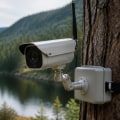
In an era where security is paramount, IP cameras have emerged as the backbone of modern surveillance systems. Whether you are a homeowner looking to enhance your property security or a business owner aiming to safeguard your assets, understanding the landscape of top IP camera brands for Remote Surveillance near Elk Grove CAtop IP camera brands for Remote Surveillance near Elk Grove CA is essential. The right choice can mean the difference between peace of mind and a lingering sense of vulnerability. With a plethora of options flooding the market, it can be overwhelming to sift through the features, pricing, and technological advancements offered by various manufacturers. This article aims to demystify the world of IP cameras, presenting you with a curated list of the most reputable brands that stand out in terms of quality, reliability, and innovation for Remote Surveillance near Elk Grove CA. From cutting-edge technology that offers crystal-clear images to user-friendly interfaces that simplify surveillance management, we will explore what makes these brands leaders in their field.
Join us as we navigate through the top contenders in the IP camera market, equipping you with the knowledge needed to make an informed decision for your surveillance needs. In the realm of remote surveillance, IP cameras have become essential tools for both residential and commercial security. With advancements in technology, the market is filled with various brands, each offering unique features and capabilities tailored to meet diverse security needs. Understanding these top IP camera brands can help consumers make informed decisions based on their specific requirements.
Axis Communications
is often recognized as a pioneer in the IP camera industry. Their cameras are known for exceptional image quality and reliability.Axis offers a wide range of models, including dome cameras for indoor use and robust outdoor options with weatherproof designs. Their product line features advanced analytics and integration capabilities with other security systems, making them ideal for comprehensive surveillance setups. However, Axis cameras tend to be on the pricier side, which may deter budget-conscious consumers. User reviews often highlight their durability and superior low-light performance, making them suitable for various applications, from retail environments to critical infrastructure.
Hikvision
, another leading brand, is well-regarded for its affordability without compromising on quality.They offer a vast array of IP cameras, including options equipped with high-resolution imaging and advanced night vision capabilities. Hikvision’s product lines cater to both small businesses and larger enterprises, providing solutions that range from basic indoor models to sophisticated outdoor units with intelligent features such as motion detection and facial recognition. Customer feedback frequently notes their value for money; however, some users express concerns regarding privacy issues associated with the brand's technology. Thus, while Hikvision provides cost-effective solutions, potential buyers should be mindful of their privacy policies.
Dahua Technology
is also prominent in the IP camera space, known for its innovative technologies and comprehensive product offerings.Their cameras are designed for varied environments, offering features such as smart tracking and built-in storage options. Dahua excels in outdoor surveillance with models featuring enhanced weather resistance and long-range night vision capabilities. Users often appreciate the intuitive software that accompanies Dahua cameras, which simplifies monitoring and management. However, some reviews indicate that installation can be complex for novice users.
The brand tends to balance quality and cost effectively, appealing to mid-range budgets.
Amcrest
has gained popularity among consumers looking for reliable home security solutions. Their lineup includes both indoor and outdoor cameras that are compatible with smart home systems, enhancing user convenience. Amcrest products are generally praised for their user-friendly interfaces and straightforward installation processes. Many customers report satisfaction with the clarity of video recordings and effective customer service support.However, some users have encountered connectivity issues or limited functionality in terms of advanced features compared to more established brands like Axis or Hikvision. Nevertheless, Amcrest offers a solid option for homeowners seeking dependable surveillance without breaking the bank.
Reolink
is another brand worth mentioning, particularly for its commitment to wireless surveillance solutions. Their IP cameras are designed with ease of use in mind, featuring battery-operated models that eliminate the need for complicated wiring installations. Reolink is particularly favored for outdoor applications due to its robust design and impressive battery life.Users often commend their affordability and effective performance in various lighting conditions; however, some have raised concerns about limited customer support options available compared to larger companies. Overall, Reolink stands out as a great choice for those seeking flexibility in installation. When comparing these top IP camera brands, it is crucial to consider specific needs such as whether the camera will be used indoors or outdoors, the importance of low-light performance, and compatibility with existing smart home systems. For instance, if a user requires robust outdoor surveillance with exceptional night vision, brands like Axis or Hikvision may provide superior options. Conversely, those prioritizing ease of use and affordability might find Amcrest or Reolink more suitable. Real-world applications demonstrate how these brands excel in different scenarios.
For example, a retail store using Axis cameras has reported significant improvements in theft prevention due to their high-resolution imaging and analytics capabilities. In contrast, a homeowner using Reolink’s wireless system successfully monitored their property while traveling abroad without worrying about complicated installations or ongoing costs. While opinions on brand effectiveness can vary widely based on personal experiences and specific use cases, it's essential to evaluate each brand's strengths and weaknesses objectively. By doing so, consumers can select an IP camera that not only fits their budget but also meets their security needs efficiently. Overall, understanding the nuances of these top IP camera brands will empower users to make informed decisions that enhance their remote surveillance systems.
Benefits of Remote Monitoring
In today's fast-paced world, the importance of security cannot be overstated.One of the most significant advantages of remote surveillance through IP cameras is the enhanced security awareness it provides. By having a real-time view of your property, whether it's a home or a business, you can monitor activities and detect unusual behaviors immediately. Another key benefit is the ability to respond quickly to incidents. With remote monitoring, users receive instant notifications on their smartphones or other devices when motion is detected or when an alarm is triggered. This feature allows for timely intervention, which can deter potential threats before they escalate into serious issues. Moreover, the peace of mind that comes with knowing your property is being monitored cannot be underestimated.
Whether you're at work, on vacation, or simply away from home, having the capability to check in on your premises remotely allows you to relax and focus on other priorities, knowing that you have a reliable system in place to alert you to any concerns.
Tips for Enhancing Your Existing System
To maximize the effectiveness of your IP camera setup, there are several strategies you can implement.Optimizing camera placement
is crucial; ensure that cameras are positioned to cover entry points, driveways, and other vulnerable areas. Avoid placing them too high, as this can limit their ability to capture clear images of faces and license plates. Additionally, consider the lighting conditions in your surveillance areas. Cameras should be placed where they can benefit from natural light during the day and should have adequate night vision capabilities for nighttime monitoring.If necessary, add external lighting to improve visibility. Another valuable tip is to utilize software upgrades. Regularly check for firmware updates provided by the manufacturer, as these can enhance camera functionality and security features. Many brands offer apps that allow you to manage settings and view footage remotely, so taking advantage of these tools can significantly improve your surveillance experience. Lastly, consider integrating your IP cameras with other security systems like alarms or motion detectors. This holistic approach not only enhances your surveillance capabilities but also provides a more comprehensive security solution for your home or business.
Legal and Privacy Considerations
When utilizing IP cameras for remote surveillance, it is essential to understand the legal and privacy implications associated with their use.The regulations can vary significantly between public and private spaces, making it crucial for users to familiarize themselves with local laws. In public spaces, surveillance is generally more permissible; however, it must adhere to specific guidelines regarding the notification of individuals that they are being recorded. Many regions require clear signage indicating the presence of surveillance cameras to ensure transparency and respect for personal privacy. Conversely, in private spaces, such as homes or businesses, the rules can be stricter. Homeowners typically have the right to install cameras on their property; however, capturing footage that includes neighboring properties or public areas can lead to legal complications. It's advisable to position cameras in a manner that respects the privacy of others while still providing adequate security coverage. To maintain user privacy while employing IP cameras, consider the following tips: First, limit camera placement to areas where security is paramount and avoid monitoring private spaces such as bathrooms or bedrooms.
Second, use password protection and encryption features offered by many modern IP camera brands to secure video feeds from unauthorized access. Lastly, regularly review and update privacy policies related to recorded footage to ensure compliance with evolving legal standards. By being aware of these legal considerations and implementing best practices for user privacy, individuals and businesses can effectively utilize IP cameras while respecting the rights of others.
Setting Up Your IP Camera
Setting up your IP camera is a crucial step in ensuring effective remote surveillance for your property. The process may seem daunting at first, but with the right guidance, it can be straightforward and manageable. Below is an overview of the essential steps involved in the setup process.First, begin with network configuration.Ensure that your IP camera is connected to your local network, either via Ethernet cable or Wi-Fi. If using Wi-Fi, you will need to access the camera’s settings through its web interface and input your Wi-Fi credentials. It’s important to assign a static IP address to the camera for consistent access and to prevent conflicts within your network. Next, consider the mounting options for your IP camera. Depending on your surveillance needs, you can mount the camera indoors or outdoors.
Choose a location that offers a clear view of the area you want to monitor while also considering factors like sunlight exposure and potential obstructions. Use appropriate mounting hardware that comes with the camera to ensure stability and safety. Finally, integrate your IP camera with other security systems if applicable. Many modern IP cameras can work alongside other security devices like alarms and motion sensors. Check if your camera supports integration with existing systems or platforms, such as smart home applications, which can enhance functionality and provide centralized control over your surveillance setup. By following these steps for setup, you can effectively deploy your IP camera system, providing peace of mind and enhanced security for your home or business.
Leading Brands in IP Cameras
When it comes to IP cameras, several brands have established themselves as leaders in the market.These brands are known for their innovative technology, reliability, and customer support. Here are some of the top names in the industry:Arlo is widely recognized for its user-friendly designs and advanced features. Their wireless IP cameras offer high-definition video quality and are equipped with motion detection, night vision, and cloud storage options. Arlo's reputation for security and ease of installation makes it a popular choice among homeowners.
Nest
, a subsidiary of Google, has integrated its IP cameras into the Google ecosystem, providing seamless connectivity with other smart home devices.Known for their sleek design and high-quality video, Nest cameras also feature advanced facial recognition technology and real-time alerts, making them a strong contender for both residential and commercial use.
Hikvision
is one of the largest manufacturers of video surveillance equipment globally. Their IP cameras are known for high-performance features such as 4K video resolution, advanced analytics, and robust build quality. Hikvision's extensive product range caters to various needs, from small businesses to large enterprises.Dahua
is another major player in the IP camera market, offering a wide array of surveillance solutions. Their products are well-regarded for their affordability without compromising on features.Dahua's cameras often come equipped with AI technology for improved object detection and tracking.
Ring
, famous for its video doorbells, has expanded its offerings to include a range of indoor and outdoor IP cameras. With a strong focus on community-oriented security, Ring's products are designed to integrate easily with their app, allowing users to monitor their property conveniently from anywhere. Each of these brands has carved out a niche in the IP camera market, providing various options to meet the diverse needs of consumers. Choosing the right brand is crucial for ensuring reliability, cutting-edge features, and excellent customer service.Key Features to Consider
When selecting an IP camera for remote surveillance, it is crucial to evaluate several key features that can significantly impact performance and usability. These features not only enhance the security of your property but also ensure that you are making a wise investment. Firstly, video quality is paramount.The resolution of the camera determines how clear and detailed the footage will be. Higher resolution cameras, such as those offering 4K or 1080p HD, provide sharper images, making it easier to identify individuals or objects in recorded video. Another important feature is night vision capabilities. Many incidents occur in low-light conditions, so having a camera with excellent night vision ensures that surveillance continues even when visibility is poor. Look for models that use infrared (IR) technology or have color night vision to provide clear images after dark.
Motion detection
is another critical aspect to consider.This feature allows the camera to detect movement and send alerts to your mobile device, helping you stay informed about any potential security breaches in real-time. Advanced models may offer customizable detection zones and sensitivity settings to minimize false alarms. Storage options are also vital in choosing an IP camera. Users typically have the choice between cloud storage and local storage. Cloud storage offers convenience and accessibility from anywhere, while local storage provides more control over your data and can be more cost-effective in the long run.
Evaluate which option best suits your needs based on your surveillance requirements and budget. Lastly, mobile app compatibility should not be overlooked. A user-friendly mobile app allows you to monitor live feeds, receive alerts, and manage settings directly from your smartphone. Ensure that the brand you choose provides a reliable app that works seamlessly with their cameras. By considering these essential features—video quality, night vision capabilities, motion detection, storage options, and mobile app compatibility—you can make an informed decision when selecting an IP camera brand that meets your remote surveillance needs. In conclusion, choosing the right IP camera brand is essential for meeting your specific security needs effectively. With numerous brands available, it is crucial to assess your individual requirements, such as the level of surveillance needed, environmental conditions, and budget constraints, before making a purchase decision. Investing in quality surveillance technology not only enhances security but also provides peace of mind, knowing that your home or business is well protected.
By understanding the key features and benefits discussed in this article, you can make an informed choice that aligns with your surveillance goals.