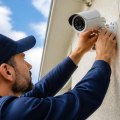
In the world of surveillance systems, ensuring continuous operation is paramount. One of the most critical components that can significantly affect the performance of your surveillance setup is the power supply. Fixing power supply problems for Remote Surveillance near Seattle WAFixing power supply problems for Remote Surveillance near Seattle WA is not just about restoring functionality; it’s about safeguarding your investments and maintaining the security of your property. When surveillance systems fail due to power issues, it can lead to missed events, compromised safety, and increased vulnerability.
This makes understanding how to effectively troubleshoot these problems essential for anyone relying on surveillance technology. Whether you are a seasoned technician or a DIY enthusiast, knowing how to resolve power supply issues can save you time and money while providing peace of mind. In this article, we will delve deep into the common causes of power supply failures in surveillance systems, offering practical tips and solutions to help you diagnose and fix these issues efficiently. By the end, you'll be equipped with the knowledge to tackle any power-related challenges that may arise in your camera systems. Let’s explore the intricacies of resolving power supply issues and ensure that your surveillance systems remain operational at all times. In the realm of surveillance systems, ensuring a reliable power supply is paramount for maintaining effective monitoring capabilities.
When power issues arise, they can disrupt the functionality of cameras and other critical components, leading to potential security vulnerabilities. Understanding the various power supply problems that users may encounter is essential for troubleshooting and maintaining a robust surveillance setup. One of the most common issues is inadequate voltage. Surveillance cameras typically require a specific voltage to operate correctly; if the voltage supplied is too low, it can lead to malfunctioning or intermittent performance. Users might notice that their cameras are turning on and off sporadically or failing to power up entirely.
This problem can stem from using the wrong power adapter or the power source being insufficient to meet the demands of multiple devices. Another frequent concern is faulty connections. Over time, connections may become loose due to wear and tear or environmental factors such as temperature fluctuations and humidity. A loose cable can disrupt the flow of electricity, resulting in inconsistent camera performance. In some cases, corrosion at connection points can also impede electrical flow.
Users might notice that certain cameras are working fine while others connected to the same power source are not functioning properly. Environmental factors play a significant role in the performance of a power supply. Extreme temperatures, moisture, and dust can affect not only the physical components of the power supply but also its overall efficiency. For instance, if a surveillance camera is installed outdoors without proper weatherproofing, exposure to rain or snow could lead to electrical shorts or damage that compromises power delivery. These power supply problems can have serious consequences for surveillance effectiveness. A camera that fails to operate due to inadequate voltage or poor connections may leave critical areas unmonitored, creating gaps in security coverage.
In one real-life scenario, a business experienced a break-in after a camera went offline due to a faulty connection that went unnoticed for weeks. The system's failure to deliver reliable footage resulted in an inability to identify suspects, highlighting the importance of proactive troubleshooting. To address these issues, users should follow detailed troubleshooting steps. First, checking connections is crucial. Begin by inspecting all cables and connectors for signs of wear or corrosion.
Ensure that all connections are secure and that there are no visible damages. If loose cables are identified, reseating them may resolve the issue. If connection checks do not resolve the problem, testing voltage with a multimeter is the next step. This tool allows users to measure the voltage at various points in the circuit, from the power source to each individual camera. If the voltage reading falls below the specified range for your device, it indicates a potential issue with the power supply unit or adapter. In cases where faulty components are detected, replacing them promptly is essential.
For instance, if a power adapter is found to be underperforming, sourcing a replacement that meets or exceeds the required specifications will help restore functionality. Similarly, if individual cables are damaged, replacing them with high-quality alternatives can improve reliability. While some users may feel confident in their ability to perform these troubleshooting steps themselves, it's important to acknowledge differing opinions on DIY repairs versus seeking professional help. Some argue that attempting repairs without experience may lead to further damage or safety hazards. Conversely, others advocate for DIY as a cost-effective solution for minor issues.
Ultimately, it depends on individual comfort levels and expertise. In conclusion, understanding and addressing power supply problems in surveillance systems is vital for ensuring effective monitoring and security. By recognizing common issues such as inadequate voltage, faulty connections, and environmental factors—along with implementing comprehensive troubleshooting steps—users can significantly reduce the likelihood of system failures and enhance their overall surveillance effectiveness.
Preventive Measures
To ensure the longevity and reliability of your surveillance systems, it is crucial to implement effective preventive measures to avoid future power supply problems. Here are some key strategies:Firstly, consider investing in surge protectors. These devices can safeguard your surveillance equipment from sudden spikes in voltage, which are often caused by lightning strikes or electrical malfunctions.By absorbing excess voltage, surge protectors help prevent damage to your cameras and power supplies. Secondly, regular maintenance of your power supply system is essential. Schedule periodic inspections to check for any signs of wear or damage, including frayed wires or loose connections. This proactive approach can help identify potential issues before they escalate into serious problems. Additionally, using high-quality power supplies that meet the specifications for your surveillance equipment can significantly reduce the risk of power-related issues. Avoid using cheap or incompatible adapters, as they may not provide stable power and could lead to equipment failure. Furthermore, consider implementing an uninterruptible power supply (UPS) system.
A UPS can provide backup power during outages, ensuring that your surveillance systems remain operational even when the main power source is interrupted. This is particularly important for maintaining security during critical times. Lastly, educate your staff about the importance of power supply management. Training them to recognize early signs of power issues and encouraging routine checks can foster a culture of vigilance that enhances the overall reliability of your surveillance operations.
Common Power Supply Issues
In surveillance systems, a reliable power supply is crucial for maintaining continuous monitoring and ensuring security. However, users often encounter various power supply problems that can hinder the performance of their systems.Understanding these issues is essential for effective troubleshooting and prevention. One of the most frequent issues is inadequate power supply. This can occur if the power adapter does not provide sufficient voltage or current for the connected devices, leading to intermittent operation or complete failure. Users should check the specifications of their cameras and ensure that the power supply meets these requirements. Another common problem is power surges. These sudden increases in electrical voltage can damage sensitive components within surveillance cameras and other equipment.
Installing surge protectors can mitigate this risk and help maintain system integrity.
Loose connections
can also cause power issues. Over time, connectors may become loose or corroded, resulting in intermittent power loss. Regularly inspecting and securing all connections can help prevent these disruptions. Additionally, users may experience battery failures in systems that rely on backup batteries. If batteries are not regularly tested and replaced, they may fail when needed most, compromising the entire surveillance system. Finally, overheating can be a significant concern for power supplies.Excess heat can lead to reduced efficiency and eventual failure. Ensuring proper ventilation around power supplies and monitoring operating temperatures can help mitigate this issue. By being aware of these common power supply problems, users can take proactive measures to ensure their surveillance systems remain functional and effective in providing security.
Step-by-Step Troubleshooting
When dealing with power supply issues in surveillance systems, a systematic approach is essential for effective diagnosis and resolution. Below are the steps to follow:1.Verify Power Source: Start by checking if the power source is operational. Ensure that the outlet is functioning correctly by plugging in another device.If the outlet is faulty, address this issue first.
2.Inspect Power Cables
: Examine all power cables for signs of damage or wear. Look for frayed wires, bent connectors, or any other physical defects that could disrupt the power supply.3.Check Power Supply Unit (PSU)
: If the power cables appear intact, inspect the power supply unit itself. Look for LED indicators that can signal whether the PSU is operational. If there are no lights or unusual sounds, it may need replacement.4.Test Voltage Output
: Use a multimeter to measure the voltage output from the power supply unit.Compare it with the specifications of your surveillance system to ensure it meets the required levels.
5.Assess Load Capacity
: Check if the power supply unit can handle the load of all connected devices. Overloading can cause instability and interruptions in power delivery.6.Evaluate Connections
: Ensure all connections between the PSU and surveillance devices are secure. Loose connections can lead to intermittent power loss, affecting system performance.7.Consider Environmental Factors
: Look into potential environmental influences like humidity or extreme temperatures that could affect the functionality of your power supply components.8.Seek Professional Help
: If after following these steps you still experience issues, it may be time to consult with a professional technician who specializes in surveillance systems. By following this step-by-step troubleshooting guide, you can systematically diagnose and fix power supply problems, ensuring your surveillance system remains reliable and effective. In conclusion, ensuring a stable and reliable power supply is essential for the effective functioning of surveillance systems. As discussed, common power supply issues can significantly disrupt monitoring capabilities, leading to potential security vulnerabilities that could compromise safety.By following the step-by-step troubleshooting methods outlined in this article, readers can identify and rectify these issues promptly. Additionally, implementing the preventive measures will help maintain system integrity and prevent future disruptions. We encourage readers to stay proactive in monitoring their systems and to seek professional assistance when necessary, ensuring that their surveillance systems operate smoothly and effectively.